
Why Hair Color Names Fail Shoppers—and What to Use Instead
Hair color names can mislead shoppers. Learn how to compare levels, undertones, developer, and hair history for a more compatible match.
Why Shade Names Create So Much Confusion
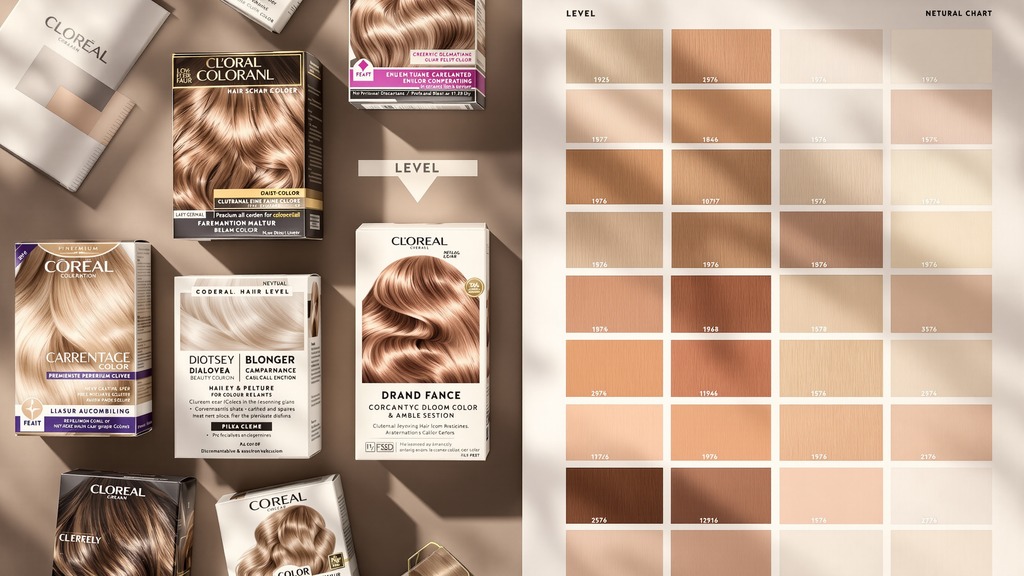
A shade name such as “warm honey brown,” “cool mocha,” or “natural blonde” sounds helpful, but marketing language is not standardized. One brand’s “medium ash brown” may look noticeably different from another’s because each company uses its own pigments, numbering system, lighting, and product formula. Even familiar labels can describe a color family rather than a predictable final result.
Hair color matching becomes more difficult when shoppers compare products across retailers. A retailer may sort shades by names, while a manufacturer emphasizes numbers such as 5N or 7A. Images can also be misleading: screen settings, studio lighting, and the model’s starting hair all affect how a box appears. Previous dye, bleach, gray hair, porosity, and natural undertones further influence the outcome. That is why a reliable beauty ecommerce experience should treat shade terminology as a starting point—not a guarantee. The goal is to translate descriptive names into measurable information about depth, tone, formula, and compatibility before adding a product to the cart.
The Four Details to Compare Instead
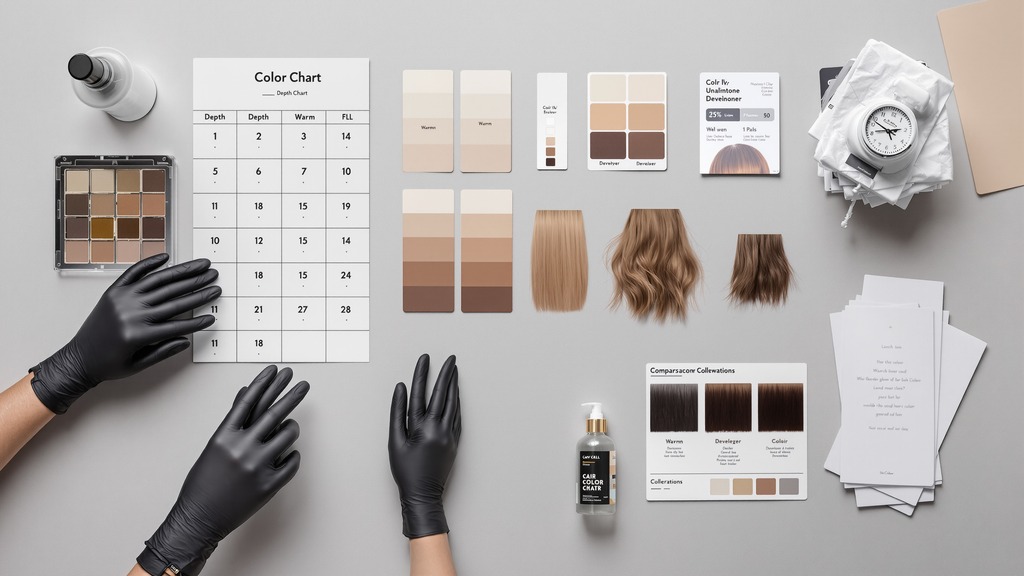
For practical hair color matching, begin with four details: level, undertone, reflect, and formula. Level describes how light or dark the shade is, commonly on a scale from black to palest blonde, although numbering can vary by brand. Undertone describes the underlying warmth or coolness—such as red, gold, beige, ash, or violet. Reflect identifies the visible tone added to that base. A shade marketed as “cool brown” may therefore be a dark level with an ash or blue-based reflect, not simply a universally cool result.
Next, compare the formula and intended use. Permanent color, demi-permanent color, gloss, toner, bleach, and direct dye do different jobs; they are not interchangeable. Check whether the product is designed for gray coverage, lightening, refreshing lengths, or depositing color only. Developer strength and mixing instructions also matter. A structured questionnaire can make this easier by asking about current color, desired result, gray coverage, prior treatments, and experience. Instead of matching names alone, shoppers should compare the complete profile: starting level, target level, tone, product type, developer, and expected maintenance.
A Safer Framework for Choosing Compatible Color
Before choosing a shade, record your current hair in natural light: approximate depth, visible warmth, gray percentage, and whether the hair is virgin, previously colored, bleached, or chemically treated. Then define the result in practical terms, such as “cover scattered gray while staying one level darker” rather than “choose medium brown.” Compare swatch images, technical shade descriptions, ingredient information, processing time, and developer requirements across products. If a brand provides a strand-result guide, use it to understand how the formula behaves on different starting colors.
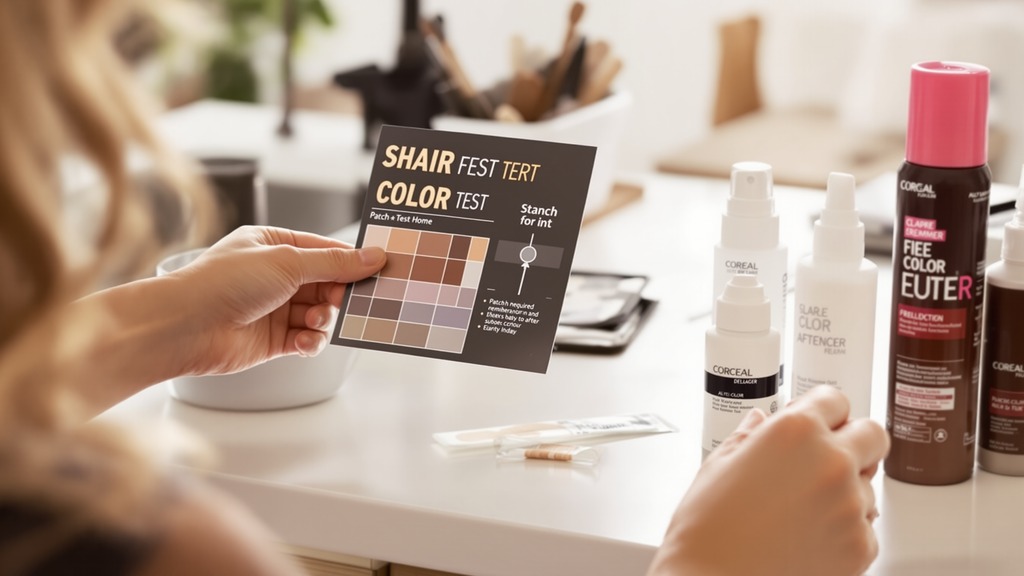
Safety should be part of the comparison, not an afterthought. Follow the product label, complete the recommended patch test and strand test, and do not assume that a familiar shade is safe for every person or compatible with every previous treatment. A curated kit can reduce missing-item errors by pairing the correct color with developer, gloves, protective supplies, and aftercare. For repeat purchases, save the chosen formula and application notes, then reassess regrowth and fading before reordering. This level-based, undertone-aware approach makes shade terminology more useful—and helps shoppers make informed choices through a guided haircare marketplace.
A Better Way to Shop for Your Next Shade
The most dependable shade comparison does not ask, “Which name sounds right?” It asks, “How does this product relate to my current hair and my intended result?” Start with your existing depth and undertone, identify your goal, and confirm whether the formula can perform that job. Then review developer strength, gray-coverage claims, processing requirements, and compatibility with your hair history. This approach helps separate useful product information from persuasive but vague marketing language.
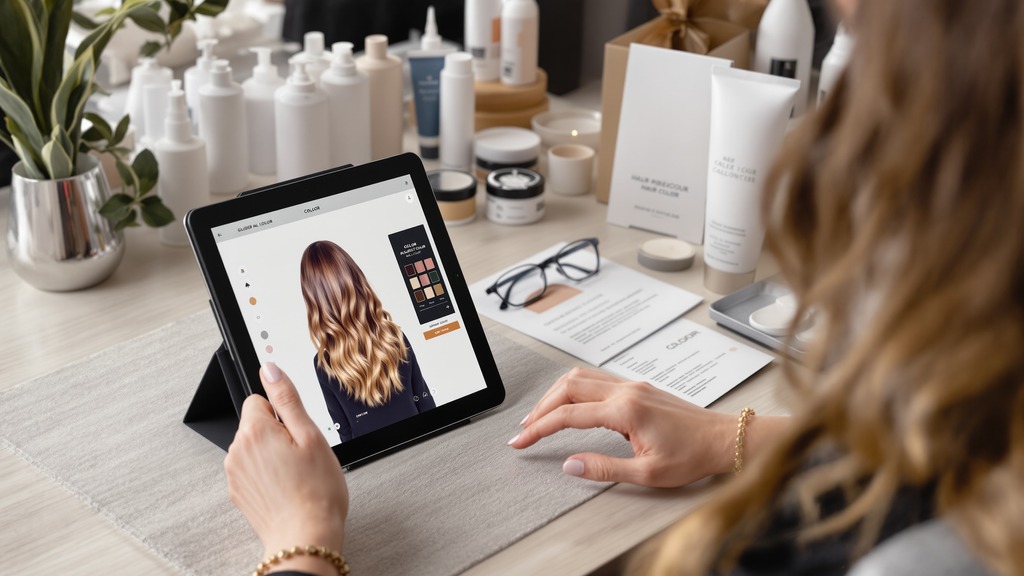
For shoppers, the process can be simplified through guided commerce. A shade questionnaire can organize details about current color, desired level, gray coverage, sensitivity, previous treatments, and application experience. A curated kit can then bring together compatible color, developer, tools, protective supplies, and aftercare, while clear instructions explain patch testing, strand testing, timing, warnings, and maintenance. Saving those details also makes future reorders more consistent. Hair color names will probably remain creative and inconsistent, but shoppers do not have to rely on names alone. By comparing measurable characteristics and prioritizing safety, they can choose with greater confidence and fewer avoidable surprises.